Energy and prices
Look through the flare, not through the kitchen
A terms-of-trade shock from the Middle East is pushing UK inflation back toward 3 per cent. Households will feel it. The question for Threadneedle Street is whether wages and services follow.

Mira Calder
Editor · · 11 min
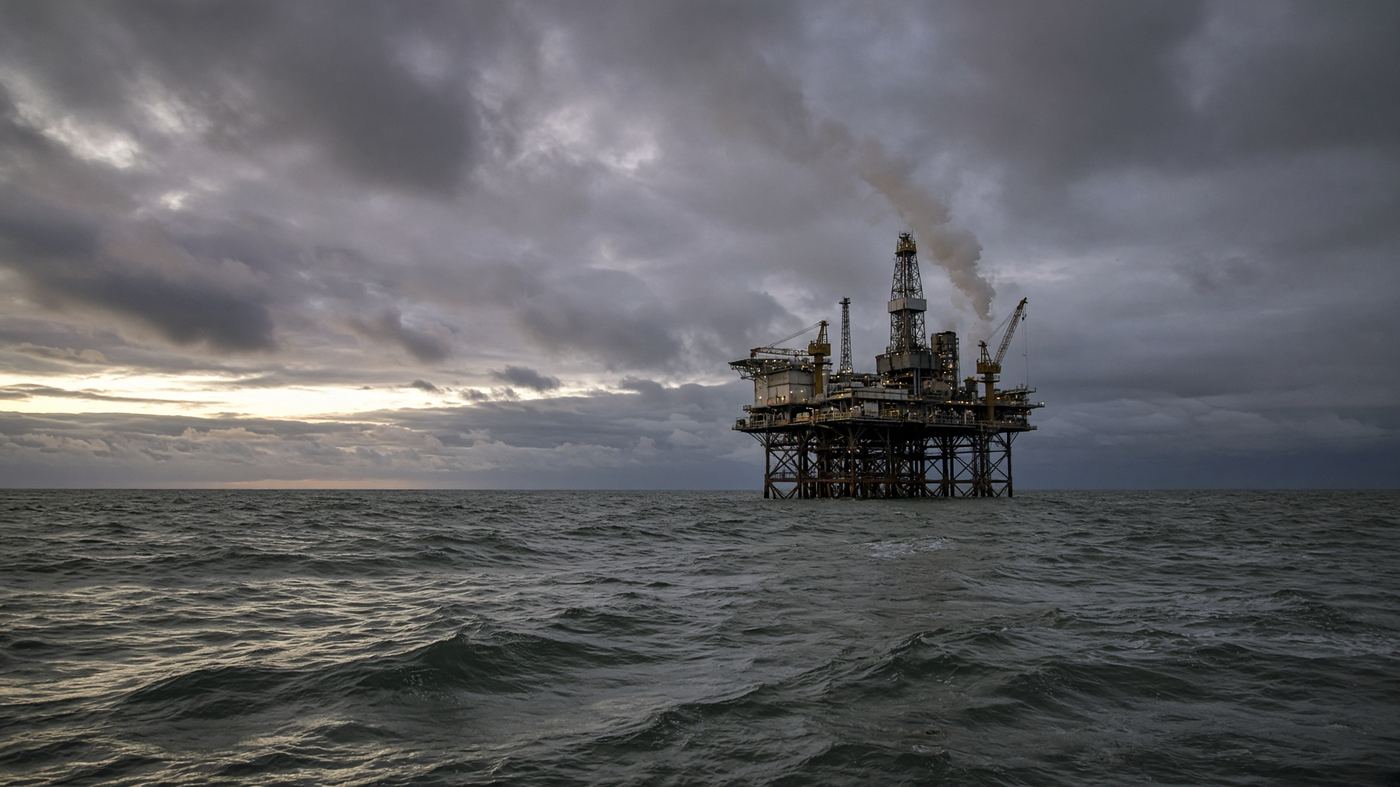
Inflation is a process, not a vibe. A barrel of oil that jumps because a strait is contested is not the same event as a restaurant in Leeds putting up prices because it cannot hire a chef. Both move the CPI. Only one of them tells you that domestic monetary policy was too loose. The United Kingdom is back in the first category, and the Bank of England is being invited, by markets and by a hawkish minority on the Committee, to treat it as the second.
The July Monetary Policy Report is unusually plain on the mechanics. Direct energy effects rise over the coming months and then fade. The pickup in CPI by the end of 2026 is primarily accounted for by indirect effects: food, other goods, and a contribution from memory-chip prices that has nothing to do with Threadneedle Street. Staff see CPI averaging about 3.2 per cent in the fourth quarter. Underlying inflation, on the Bank’s granular measure, has fallen back toward its pre-pandemic mean. Loose labour market conditions will, in the Bank’s own words, reduce inflation over time.

Households do not live in the core
None of that is a comfort in a kitchen. Petrol, the unit price of heating, and the cost of a basket of food are the inflation that people mean when they say inflation. Looking through a flare is the right instruction for a central bank. It is an insult if it is offered as pastoral care. The journal’s job is to hold both sentences at once: the MPC should not hike into a terms-of-trade shock that is already tightening real incomes, and the government should not talk as if the shock were a communication problem.
You can look through a wholesale spike. You cannot look through a winter bill.
Indirect effects are where the argument gets honest. If food manufacturers, hauliers and retailers take the energy spike into list prices, and if those list prices stick when wholesale gas falls back, then the look-through instruction has a time limit. The Bank says there is little evidence of second-round effects in pay and services so far. That sentence is doing a lot of work. It needs to remain true in November, not just in July.
What the instruments actually are
Monetary policy cannot put more gas into the National Transmission System. It can grind down domestic demand until imported pressure has fewer domestic prices to infect. That is a brutal instrument, and it is the one the hawks want to pick up. Fiscal policy can, in principle, target the household cash-flow hit. Doing so without adding to the gilt refinancing problem is the constraint that the Autumn Budget of 2025 made tighter, not looser.
Energy policy is the third instrument, and the one British politics keeps substituting with adjectives. North Sea output, interconnectors, storage, and the speed at which planning allows generation onto the grid: these are inflation policy with a lag. They are not a reason for the MPC to wait forever. They are a reason for the rest of the state to stop asking the MPC to be the whole of the state.
We will know, by the winter, whether the 3.2 per cent peak was a flare or a new plateau. If services inflation keeps easing while the headline pops, the hold at 3.75 per cent will look like the grown-up decision. If pay settlements start to rebuild the 2022 pattern, the three hawks will have been early rather than wrong. Early is not the same as right. The data, not the memory of the last crisis, should decide which.
This essay is commentary, not advice. Sources: Bank of England, Office for National Statistics, House of Commons Library, Office for Budget Responsibility, Resolution Foundation. See the editorial method.